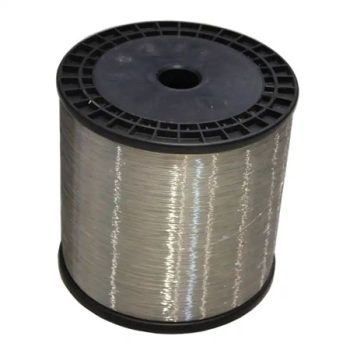
- Hs code:740819
- Wire Diameter(mm): 0.12-0.25-0.4-0.5-0.6-0.7-0.8-1.0-1.2-1.3-1.5-1.6-1.8-2.0mm
- Copper alloy mode: T2
- Tin content : 2.5~4 μm
- Repeated bending: more than 4 times
- Feature: copper wire surface tin coated,good conductivity, soft, weldable
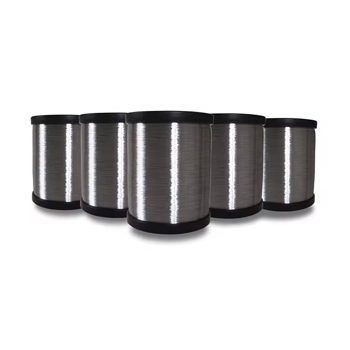
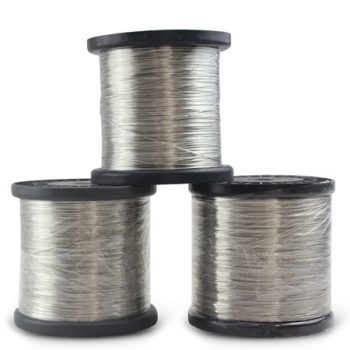
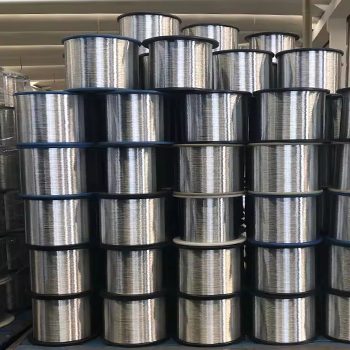
Tinned copper wire is a versatile conductor widely adopted in high-reliability connection applications. It is extensively used for internal wiring of precision electronic devices, automotive low-voltage wiring harnesses, outdoor photovoltaic connection cables, industrial control and automation equipment, flexible battery connectors, transformers, various wires and cables, jumpers and other electronic components, including resistors, capacitors, photosensitive elements, diodes, crystal sensors, PCB connectors and household appliances. Maintaining stable performance under demanding operating conditions such as high temperatures, persistent vibration, outdoor exposure and humid surroundings, it acts as an essential base material for the electronics and electrical supporting industries.
Advantages: Firstly, it has excellent anti-oxidation and anti-corrosion capability. The complete tin protective layer isolates the copper core from oxygen, moisture and corrosive media, avoiding copper rust and greatly prolonging service life. Secondly, it offers superior solderability, enabling fast and firm welding without pre-oxidation treatment, which improves assembly efficiency. Thirdly, it retains the high conductivity of pure copper to ensure stable power and signal transmission. In addition, the stranded type features outstanding flexibility and bending resistance, suitable for repeated bending and dynamic installation scenarios with strong environmental adaptability.
Disadvantages: Compared with bare copper wire, tinned copper wire has slightly higher cost due to the additional tin plating process. Its conductivity is slightly lower than pure silver-plated copper wire, making it less suitable for ultra-high frequency and ultra-precision signal transmission scenarios. Moreover, excessively thick tin coating may slightly increase wire outer diameter and affect crimping accuracy in ultra-fine wiring applications.
Widely applied in precision electronic internal wiring, automotive low-voltage harnesses, photovoltaic outdoor cables, industrial control equipment, battery flexible connections and transformers, our tinned copper wire adapts to high-temperature, vibrating and outdoor exposure working conditions. Compared with ordinary bare copper wire, it solves common drawbacks including easy oxidation, poor corrosion resistance and unstable soldering. Balancing conductivity, durability, solderability and environmental adaptability, it is the ideal choice for high-reliability electrical connection projects worldwide.